The Rise of Home Digitalization
The integration of digital technology into our homes has experienced significant acceleration in recent years, marking a transformative shift in how we manage and interact with our living environments. This trend, referred to as home digitalization, has gained momentum due to several influential factors. One of the primary drivers is the advancement in technology, which has made digital devices more accessible, affordable, and user-friendly. Innovations in artificial intelligence, machine learning, and the Internet of Things (IoT) have enabled the development of smart home systems that enhance convenience, energy efficiency, and security.
Furthermore, the COVID-19 pandemic has played a crucial role in hastening the adoption of digital technologies within households. With remote work and online learning becoming the norm, families have had to transform their homes into multifunctional spaces that support work and educational activities. As a result, there has been a marked increase in the demand for robust home networks and smart devices such as video conferencing tools, smart speakers, and home automation systems.
Consumer enthusiasm for technology has surged, as evidenced by various statistics. Research indicates that the global smart home market is expected to reach $135.3 billion by 2025, reflecting a growth rate of approximately 25% annually. This growth is coupled with a rising interest in sustainability, leading many consumers to seek energy-efficient solutions and automated systems that optimize usage. Moreover, the development of user-friendly interfaces and mobile applications has further encouraged individuals to embrace home digitalization, making it easier to manage their environments through their smartphones or voice-activated devices.
Essential Digital Tools for Every Home
In the modern age, integrating essential digital tools within the home has become a fundamental aspect of daily life. Smart home systems represent a pivotal starting point, significantly enhancing comfort and security. Devices for lighting control, such as smart bulbs and dimmers, allow for automation that adjusts brightness based on time of day or personal settings. Security systems, including smart locks and surveillance cameras, provide homeowners with peace of mind, as these devices can be monitored remotely, offering alerts for any unusual activities.
Temperature control is another integral component of a comprehensive smart home system. Smart thermostats learn user preferences and adjust heating and cooling systems accordingly. This not only optimizes comfort but also promotes energy efficiency, resulting in savings on utility bills.
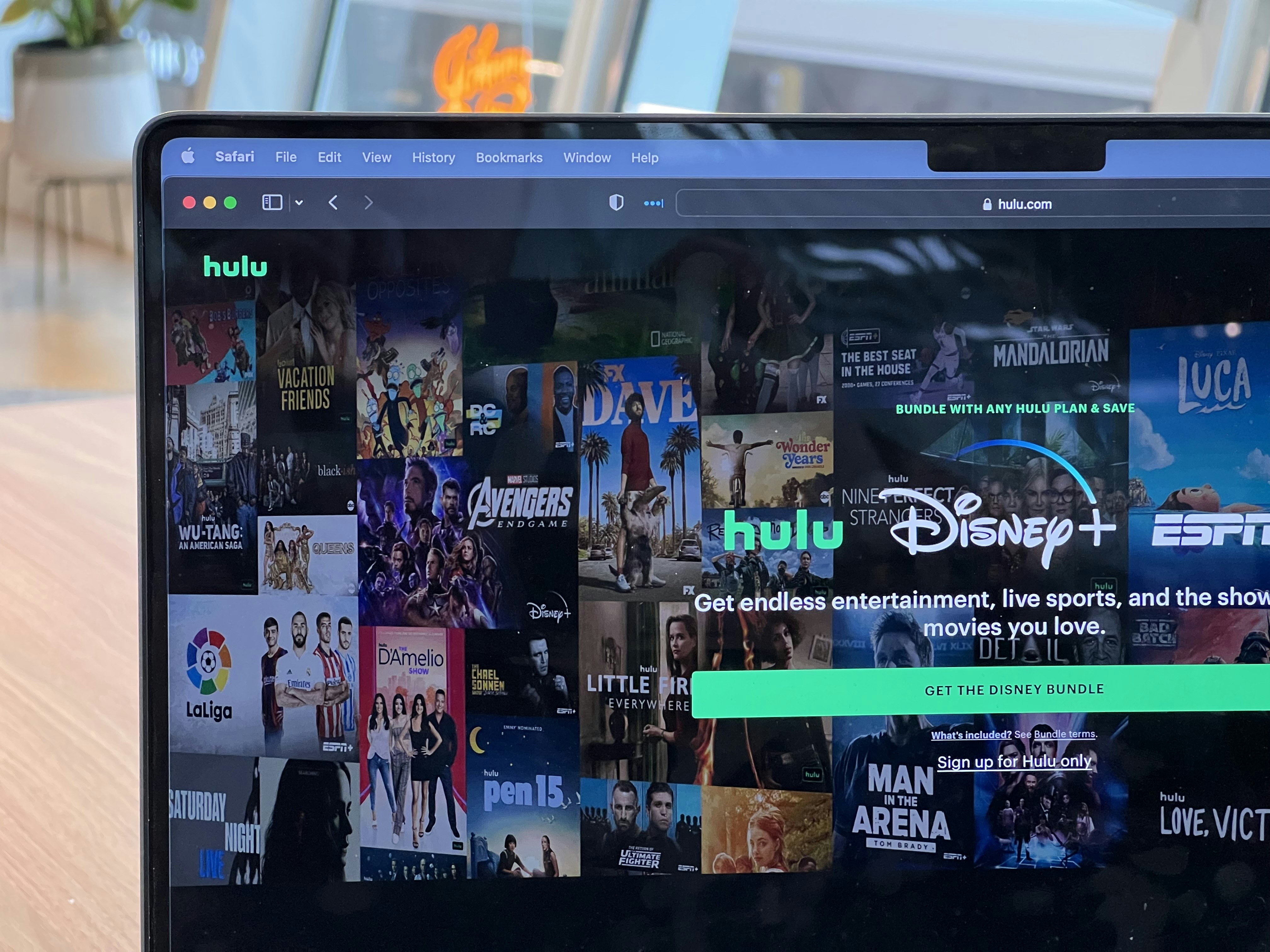
Entertainment systems have likewise evolved, with smart TVs and various streaming devices becoming popular additions. These gadgets provide users with seamless access to an array of content across multiple platforms, making it easier to enjoy their favorite shows or movies at home. By integrating audio systems, homeowners can create immersive sound environments, enhancing the overall viewing experience.
Moreover, productivity tools play an essential role in a contemporary home, particularly for those who engage in remote work. Setting up a home office with ergonomic furniture, reliable Wi-Fi, and essential equipment like high-resolution monitors is crucial for maintaining productivity. Furthermore, smart assistants, such as Amazon Alexa or Google Assistant, can streamline tasks, manage schedules, and control other smart devices through voice commands.
Incorporating these essential digital tools not only enhances the day-to-day experience but also prepares every household for a more connected future. Understanding how to effectively utilize and integrate these tools will undoubtedly lead to improved quality of life.
Creating a Seamless Digital Environment
Establishing a cohesive digital environment at home is essential for enhancing both comfort and productivity. This endeavor starts with robust network infrastructure, which typically hinges on a reliable Wi-Fi solution. A strong, stable internet connection is crucial for ensuring that all devices communicate effectively, facilitating tasks such as streaming, video conferencing, and cloud access. For optimal performance, consider a mesh Wi-Fi system, particularly in larger homes where connectivity can be spotty.
Moreover, compatibility among devices is critical. When selecting gadgets and appliances for your digital environment, prioritize those that seamlessly integrate with one another. Ecosystems such as Apple’s HomeKit or Google Home can significantly streamline operations, allowing for interconnected devices to work together harmoniously. This level of integration enhances your digital life, making routine tasks simpler and more efficient.
In addition to focusing on hardware, it is vital to maintain software balance. Regularly updating your operating systems and applications can help mitigate security risks while enhancing functionality. Security should be a paramount consideration; employing measures such as firewalls, antivirus software, and secure passwords reduces vulnerabilities, safeguarding your digital setup.
Organizing your digital life lends itself to reducing clutter and promoting efficiency. Regularly assess and categorize your files and applications, which can be accomplished through cloud storage solutions — a practice that not only optimizes space but also enhances accessibility. Furthermore, implementing a structured system for managing devices, including routine backups and data management, reinforces the resilience of your home digital environment.
Ultimately, creating a seamless digital environment at home involves a deliberate approach to infrastructure, compatibility, software, and organization. By focusing on these elements, you can foster a productive atmosphere that enhances your living experience.
The Future of Home Digitalization
The landscape of home digitalization is rapidly evolving, driven by advancements in technology and the increasing interconnectedness of devices. A pivotal aspect of this future is the integration of Artificial Intelligence (AI) into everyday home systems. AI is being utilized to create smarter environments that can anticipate resident needs, enhance energy efficiency, and improve security protocols. Imagine a home that can learn your daily routines, adjusting lighting and heating based on your preferences, or even providing alerts for unusual activity, thus redefining the concept of comfort and safety.
Additionally, the Internet of Things (IoT) continues to expand, connecting an ever-growing array of household devices—from refrigerators to security systems—into cohesive networks. This interconnectedness allows for seamless communication among appliances, making user experiences more intuitive. IoT-enabled devices can be monitored and controlled remotely through smartphones or smart home hubs, offering residents unmatched convenience in managing their environments. However, as these systems proliferate, the complexity of managing them successfully increases.
Despite the excitement surrounding these innovations, there are challenges to consider, particularly regarding privacy and data security. As homes become more automated and data-centric, concerns over unauthorized access to personal information intensify. Homeowners must remain vigilant about implementing security measures such as encrypted networks and regularly updating software to protect their smart devices.
To prepare for the continued evolution of home digitalization, residents should stay informed about emerging technologies and trends. Embracing advancements such as AI integrations and IoT applications will not only enhance the quality of life but also promote sustainable living practices. By proactively adapting to these changes, homeowners can ensure that they are not only ready for the future but are also able to fully benefit from the conveniences that home digitalization offers.